
What I Notice When I Walk Into a Venue for the First Time


Before choosing flowers, before discussing arrangements and before thinking about the final photograph, there is something I want to understand first:
the space.
Every venue has its own personality.
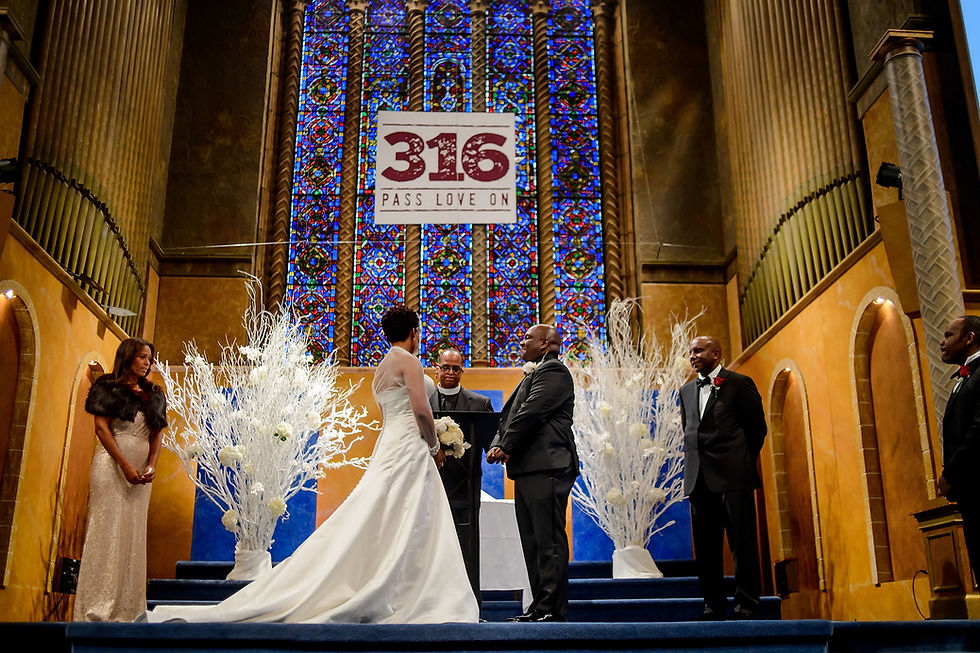
Some spaces immediately announce themselves through architecture. Others reveal their character more slowly through light, proportion, texture or the way people naturally move through them.
When I walk into a venue for the first time, I am not immediately asking myself where I can put flowers.
I am asking myself what the room is already saying.
I Look at the Architecture
Architecture is one of the first things I notice.
Ceiling height.
Columns.
Windows.
Doorways.
Staircases.
Walls.
Existing decorative details.
The proportions of the room.
All of these elements influence how I think about an event.
A space with dramatic vertical architecture may call for a different floral approach than an intimate room with lower ceilings.
The flowers need to have a conversation with the architecture.
They should feel as though they belong there.
Then I Notice the Light
Light changes everything.
Natural light can alter the way colors appear throughout the day. Evening lighting creates an entirely different atmosphere.
I want to understand where the strongest light falls, where shadows develop and how the space will feel when guests actually arrive.
A design that looks beautiful under one lighting condition may behave very differently under another.
That is why the physical environment has to be considered from the beginning.
I Think About Scale
One of the easiest mistakes in event design is thinking about individual arrangements before thinking about the room as a whole.
A floral centerpiece may look beautiful on its own.
But does it have the right scale for the table?
Does the room need something larger?
Is there a dramatic architectural feature that needs to be acknowledged?
Is there a space that should remain quiet?
Scale determines whether a design feels harmonious.
The same arrangement can feel abundant in one room and almost invisible in another.
I Watch How People Move
A venue is not a photograph.
It is a living environment.
Guests arrive.
They greet one another.
They sit.
They walk between spaces.
They gather around bars and lounges.
They move toward dinner.
They dance.
They photograph one another.
All of this matters.
The way guests move through a venue can influence where floral moments should be placed and how large they should become.
The goal is never to make beautiful design interfere with the experience.
The design should support the experience.
I Look for What Is Already Beautiful
I also pay attention to what I do not need to change.
This is an important part of luxury event design.
A beautiful venue does not need to be covered simply because we have the opportunity to add flowers.
Sometimes the architecture already provides the drama.
Sometimes a view is the most beautiful element in the room.
Sometimes a particular wall, staircase or window deserves to remain visible.
Good design knows when to add.
It also knows when to step back.
I Think About Color
Color is never considered in isolation.
The existing colors of the venue become part of the palette.
So do the season, the client's vision, the flowers, the linens, the stationery, the lighting and the surrounding environment.
I am looking for relationships.
What will feel harmonious?
What will create contrast?
Where should color be concentrated?
Where should it become quieter?
A sophisticated palette is not necessarily a limited palette.
It is a considered one.
I Look for Opportunities
Every venue presents challenges.
But it also presents opportunities.
A difficult corner might become an unexpected floral moment.
An architectural feature might become the inspiration for an installation.
An expansive room might allow for dramatic scale.
An intimate space might invite a more detailed approach.
The important thing is to look closely enough to discover what the venue is offering.
The Venue Is Part of the Design
The venue should never feel like something that exists separately from the flowers.
It is part of the composition.
Architecture, scale, light, existing color and guest movement all influence how a celebration should be designed.
This is why two events can use similar flowers and still feel completely different.
The environment changes the design.
The design responds to the environment.
And the result becomes something unique to that particular celebration.
What I Am Really Looking For
When I walk into a venue, I am ultimately looking for its personality.
What makes this space special?
What should guests notice?
What should they feel?
Where can we create surprise?
Where can we create intimacy?
Where should we make a statement?
And where should we allow the room to speak for itself?
Those questions are often more important than the first conversation about flowers.
Because extraordinary event design does not begin with filling a room.
It begins with seeing the room.


Comments